
- gevorgablabutyan
- 0 Comments
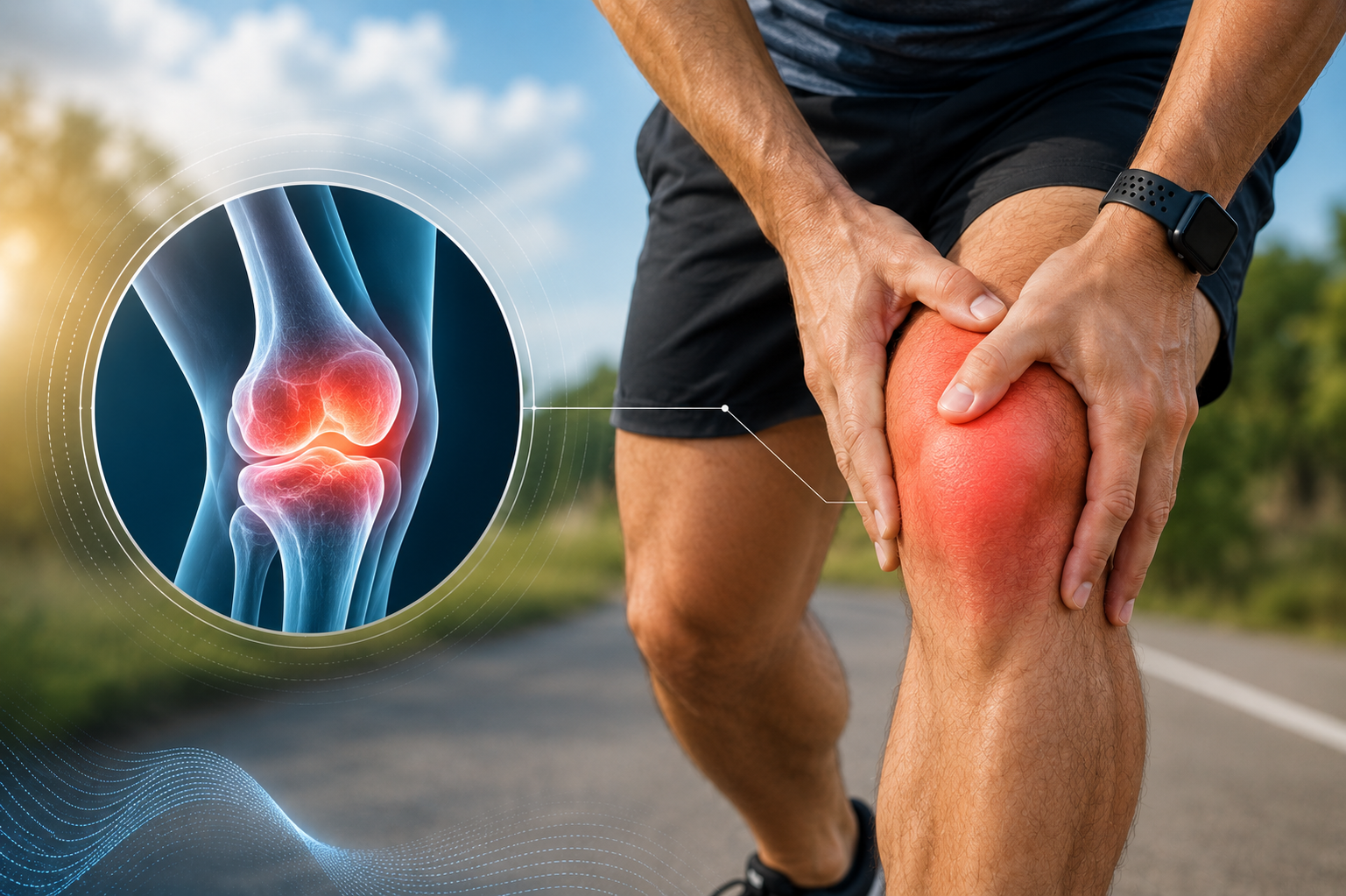
Have you ever spent the weekend hiking, running, playing sports, or simply doing more physical activity than usual—only to wake up with a sore, swollen knee? Knee swelling and pain after overuse are common, especially when your body is not used to increased activity.
Why Does Your Knee Hurt After Overuse?
Your knee absorbs a lot of stress during everyday movements like walking, climbing stairs, squatting, and exercising. When you suddenly increase your activity level, the muscles, tendons, and other tissues around the knee can become irritated. This may lead to knee pain, stiffness, tenderness, or swelling.
Common causes of knee pain after overuse include muscle strain, tendon irritation, inflammation, and repetitive stress. Wearing unsupportive shoes, having poor exercise form, or increasing your workout intensity too quickly can also contribute to discomfort.
How to Reduce Knee Swelling and Pain
If your knee is swollen after exercise, give it time to recover. Rest from activities that make the pain worse and consider applying an ice pack for short periods. Elevating your leg may also help reduce swelling.
As your knee improves, gentle stretching and low-impact activities such as swimming or cycling may help you stay active without putting excessive stress on the joint.
When Should You See a Doctor?
Mild knee pain from overuse often improves with rest and appropriate care. However, seek medical advice if swelling is severe, pain persists or worsens, you cannot put weight on your leg, or your knee feels unstable or locks. Listening to your body is one of the best ways to prevent overuse injuries. Increase activity gradually, allow enough recovery time, and don’t ignore persistent knee swelling or pain.